
Emotional Wellness Resources for Treatment Programs
A collection of evidence-informed resources designed for groups, individual therapy, and discharge planning, helping clients build skills that last beyond treatment.
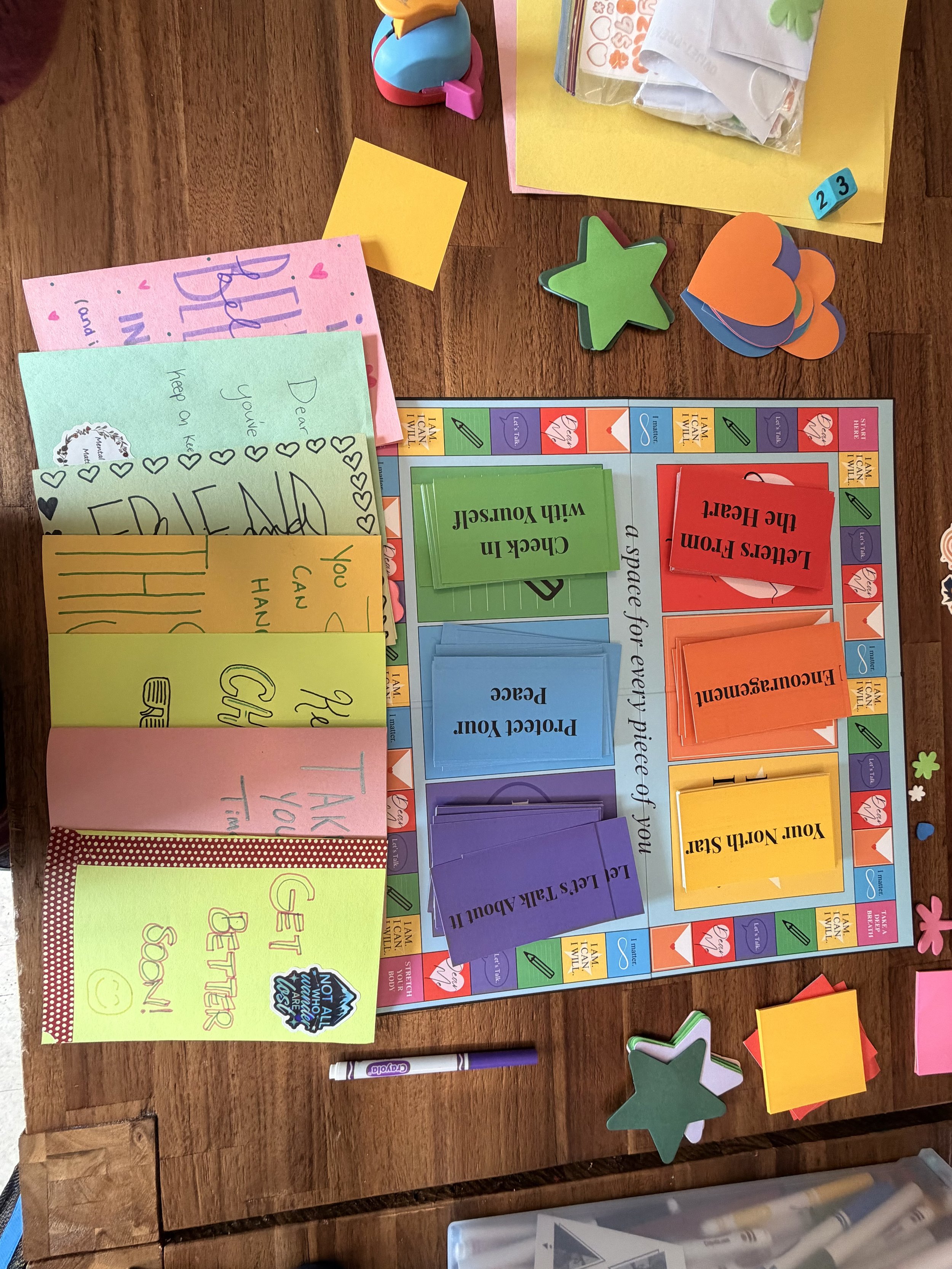
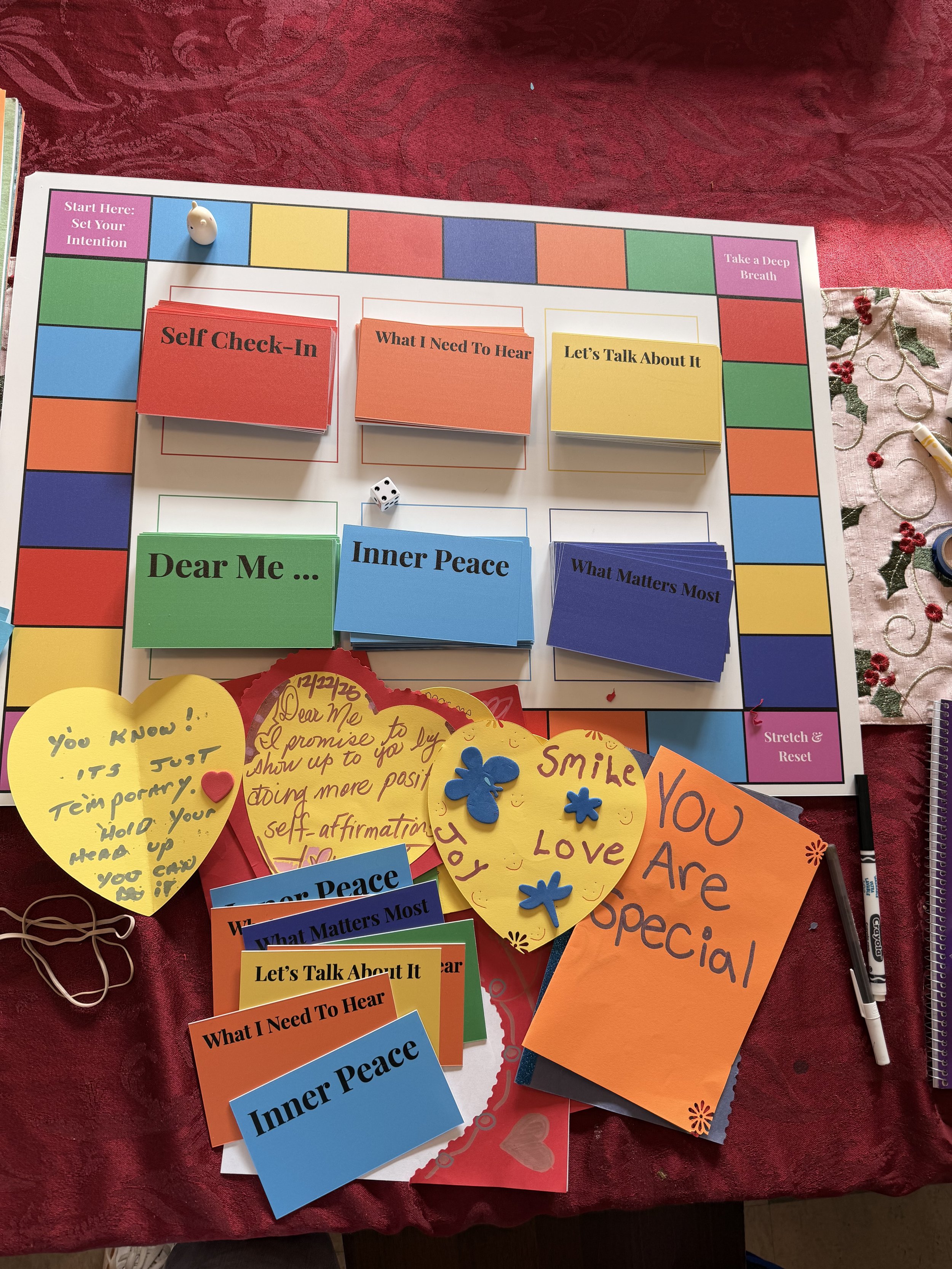
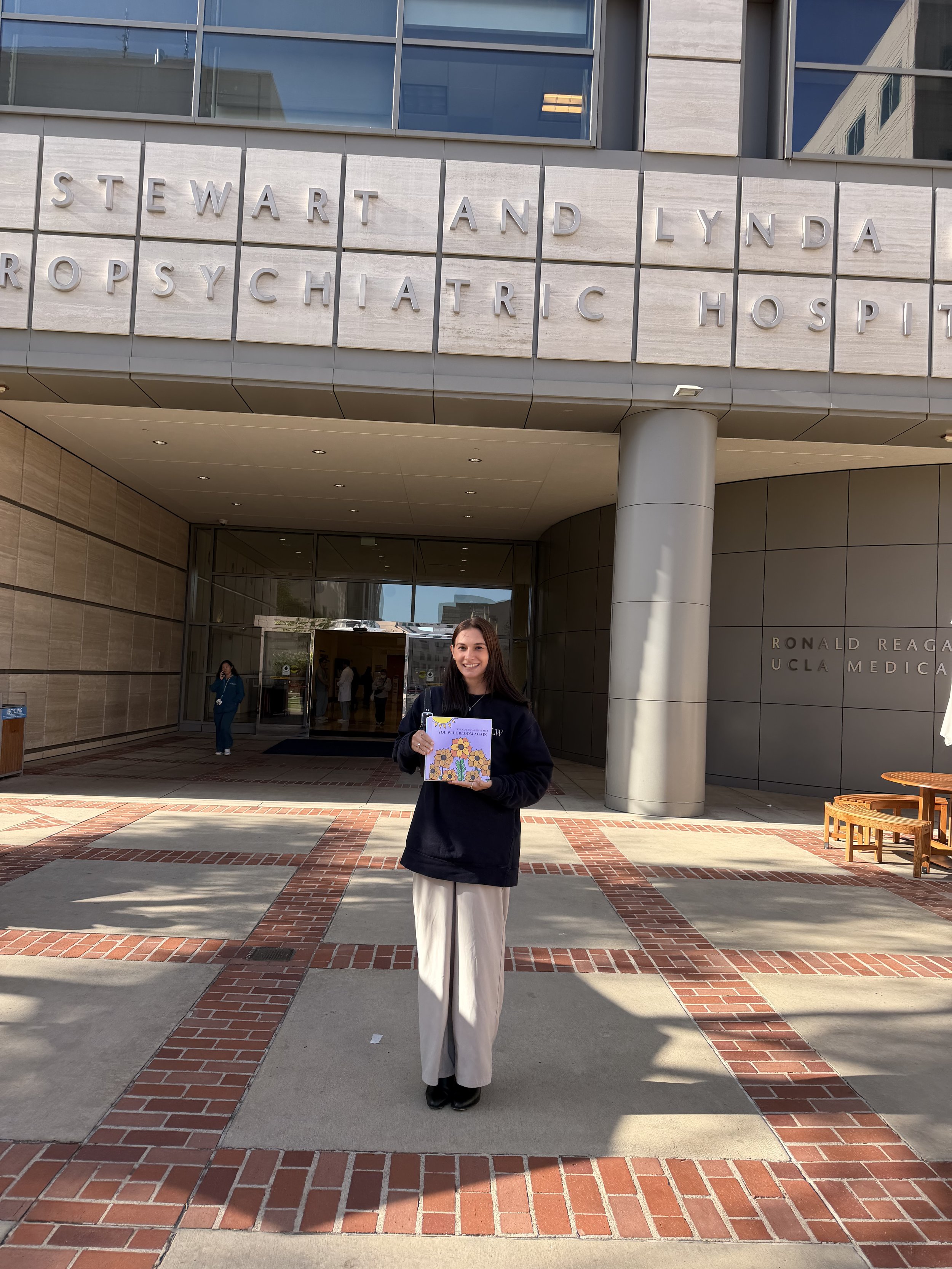
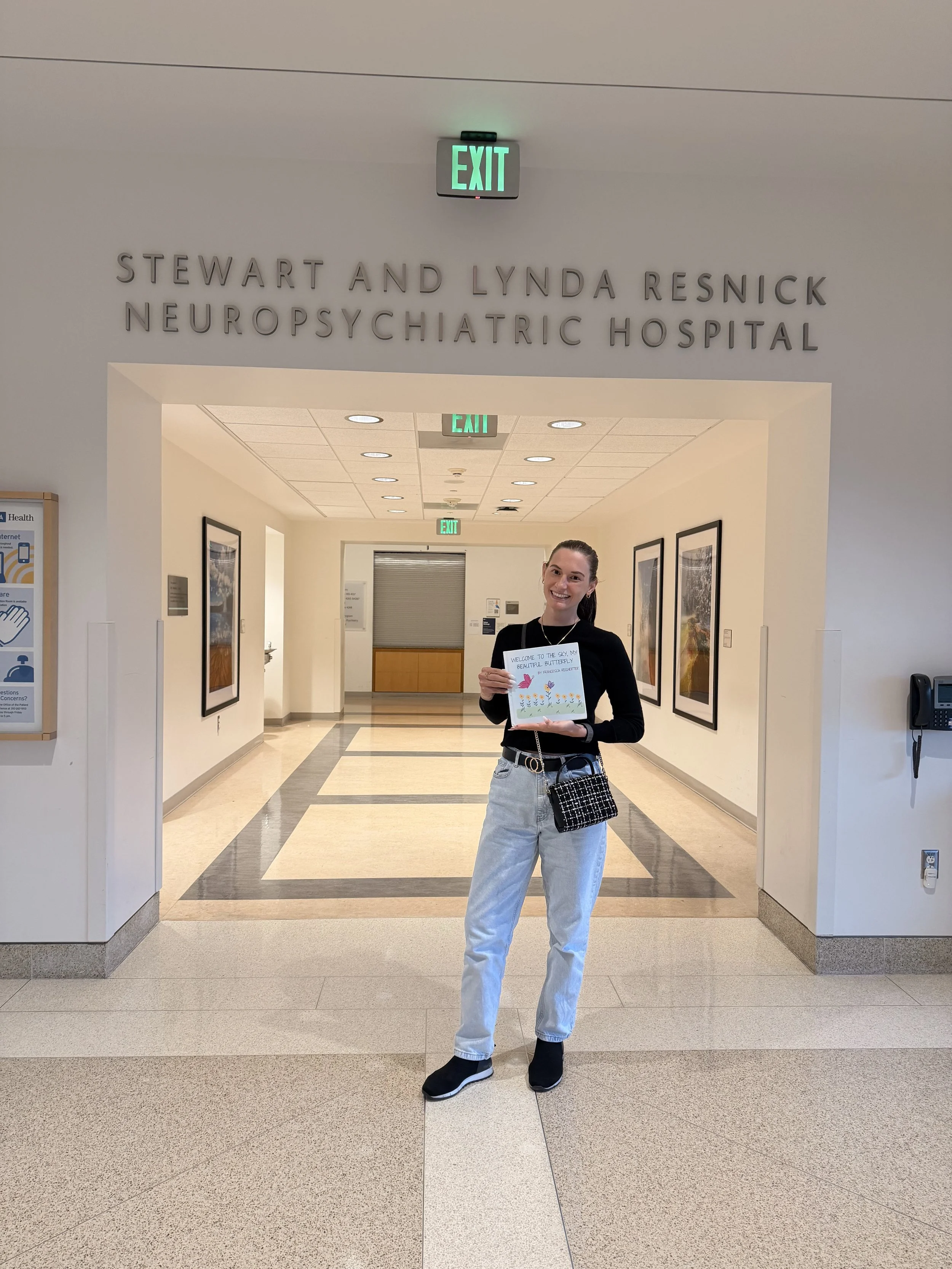
Francesca reads her children’s books at the UCLA Children’s In-Patient Psychiatric Unit and plays her board game weekly at DiDi Hirsch Excelsior House. She has been personally using her resources in clinical settings as a facilitator and has firsthand seen the impact. Whether it is the children repeating the affirmations in her children’s book louder each time as she reads it with them, or adults who spent decades unhoused, finally having a moment through arts and crafts activity in a board game to feel seen and express something they never understood about themselves before.
Reasons Why These Resources Can Benefit Your Facility:
Clinically Supportive: Grounded in evidence-informed approaches, each resource reinforces skills commonly used in treatment, helping clients practice what they’re learning between sessions.
Flexible Across Levels of Care: Used in inpatient, residential, PHP, IOP, and outpatient settings as group curriculum, individual session support, or discharge resources.
Builds Engagement & Insight: Prompts are designed to meet clients where they are — encouraging participation, emotional awareness, and meaningful conversation.
Extends Care Beyond Treatment: Clients leave with tangible tools they can continue using, supporting continuity of care and long-term skill retention.

How To Use the Resources
These tools integrate seamlessly into existing programming while giving clinicians and/or facilitators flexibility in how they support clients across different levels of care.
Group Programming
Resources can be used as structured group curriculum or as guided discussion prompts.
Facilitators can move through activities together, invite reflection, and create shared language around emotions, coping skills, and personal growth.
Benefits in groups:
Encourages participation without pressure
Helps clients feel less alone through shared experiences
Individual Sessions
Clinicians often use the exercises to deepen one-on-one work, helping clients explore emotions, identify patterns, and practice new skills between sessions.
Benefits in individual work:
Supports therapeutic processing
Offers concrete tools clients can revisit
Helps translate insights into action
Discharge & Step-Down Support
Workbooks provide a tangible bridge from treatment to everyday life. Clients leave with tools they already know how to use, reinforcing continuity of care and ongoing skill practice. For Youth, Francesca recommends You Are Not Alone: The Workbook. For Adults, Francesca recommends Your Thoughts Matter: The Workbook.
Benefits at discharge:
Reinforces coping strategies learned in treatment
Encourages continued reflection and self-support
Provides structure during transition periods
Bring These Tools Into Your Facility
Whether you’re looking for group resources, discharge support, or a structured emotional skills track, we can help you integrate each resource in a way that aligns with your clinical model.
Bulk pricing, implementation guidance, and staff training options are available.
If your facility is in the local LA County area, Francesca is available to facilitate groups herself. Email for pricing and scheduling.