Boundaries aren’t walls. They’re a way to stay connected to yourself while building healthier, more respectful relationships with others.
Setting Boundaries © was created to help you understand what boundaries are, why they matter, and how to communicate them with clarity and compassion. This workbook gently walks you through both internal and external boundaries—helping you feel safer, more grounded, and more confident in your daily life.
Rather than pushing people away, this workbook helps you invite peace, honesty, and balance into your relationships.
What’s Inside
Practical tools to help you build boundaries that support your well-being:
Clear explanations of what boundaries are and how they show up in everyday life
Guided exercises for identifying internal and external boundaries
Language and reflection prompts to practice saying no with kindness and confidence
Activities to help protect your time, space, and emotional energy
Exploration of eight types of boundaries: communication, digital, emotional, environmental, mental, physical, spiritual, and time
From Francesca Reicherter
When I wrote Setting Boundaries ©, I was learning that love without limits becomes exhaustion. I used to believe that saying “yes” was kindness—until I realized that protecting my peace was necessary for healthy connection.
This workbook is for anyone who struggles to speak up, feels overwhelmed by obligations, or wants to build relationships rooted in respect rather than resentment. Because when you set boundaries, you don’t lose people—you lose resentment. What remains is honesty, clarity, and freedom.
With love, strength, and hope,
Francesca
Part of the Growth Path and the Support Path. This workbook focuses on protecting your time, energy, and relationships through clear and compassionate boundaries.
Finding Your Voice
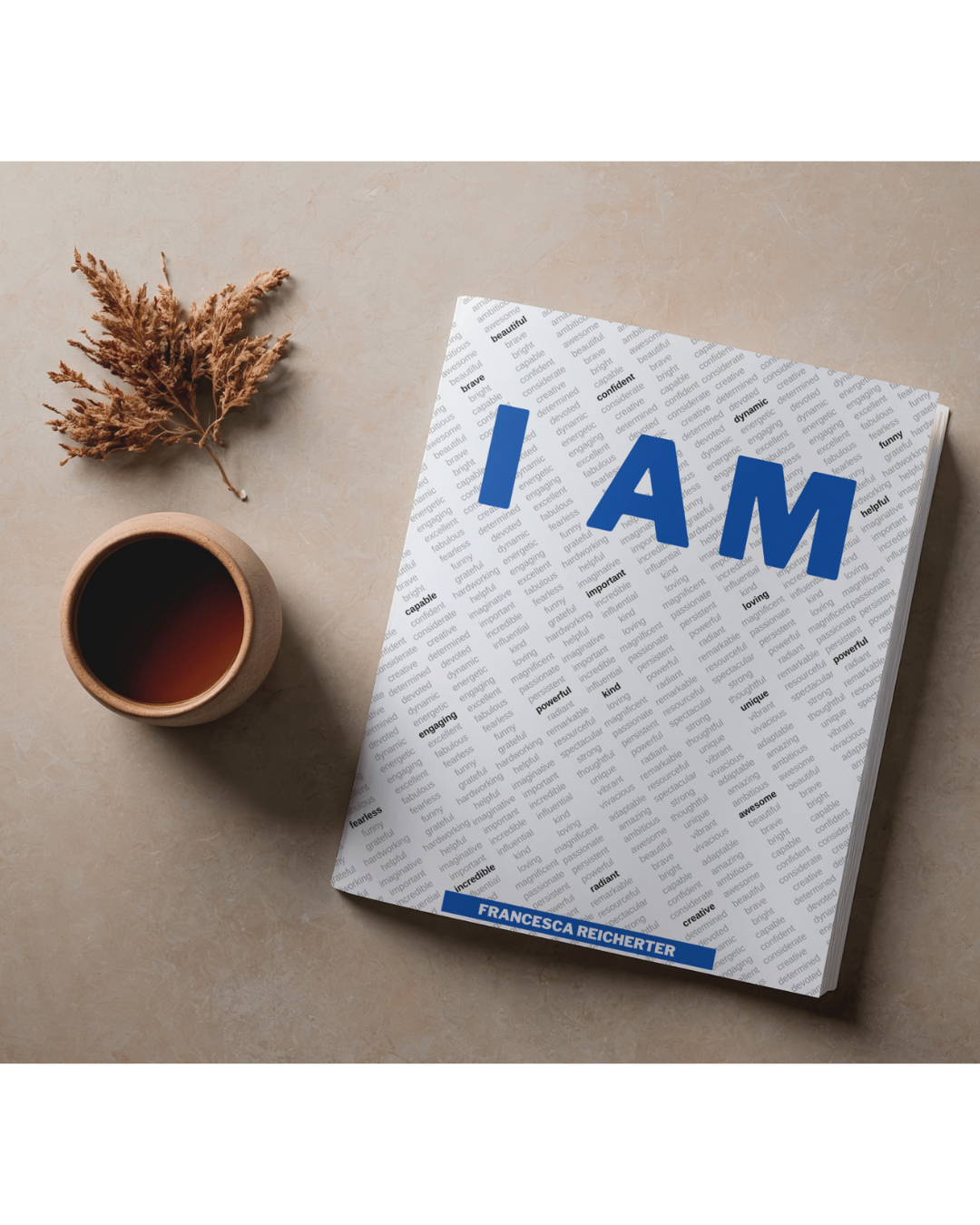
Once boundaries are in place, I AM © helps you build confidence in expressing your needs and asking for support.
Boundaries aren’t walls. They’re a way to stay connected to yourself while building healthier, more respectful relationships with others.
Setting Boundaries © was created to help you understand what boundaries are, why they matter, and how to communicate them with clarity and compassion. This workbook gently walks you through both internal and external boundaries—helping you feel safer, more grounded, and more confident in your daily life.
Rather than pushing people away, this workbook helps you invite peace, honesty, and balance into your relationships.
What’s Inside
Practical tools to help you build boundaries that support your well-being:
Clear explanations of what boundaries are and how they show up in everyday life
Guided exercises for identifying internal and external boundaries
Language and reflection prompts to practice saying no with kindness and confidence
Activities to help protect your time, space, and emotional energy
Exploration of eight types of boundaries: communication, digital, emotional, environmental, mental, physical, spiritual, and time
From Francesca Reicherter
When I wrote Setting Boundaries ©, I was learning that love without limits becomes exhaustion. I used to believe that saying “yes” was kindness—until I realized that protecting my peace was necessary for healthy connection.
This workbook is for anyone who struggles to speak up, feels overwhelmed by obligations, or wants to build relationships rooted in respect rather than resentment. Because when you set boundaries, you don’t lose people—you lose resentment. What remains is honesty, clarity, and freedom.
With love, strength, and hope,
Francesca
Part of the Growth Path and the Support Path. This workbook focuses on protecting your time, energy, and relationships through clear and compassionate boundaries.
Finding Your Voice
Once boundaries are in place, I AM © helps you build confidence in expressing your needs and asking for support.

 Image 1 of 4
 Image 2 of 4
 Image 3 of 4
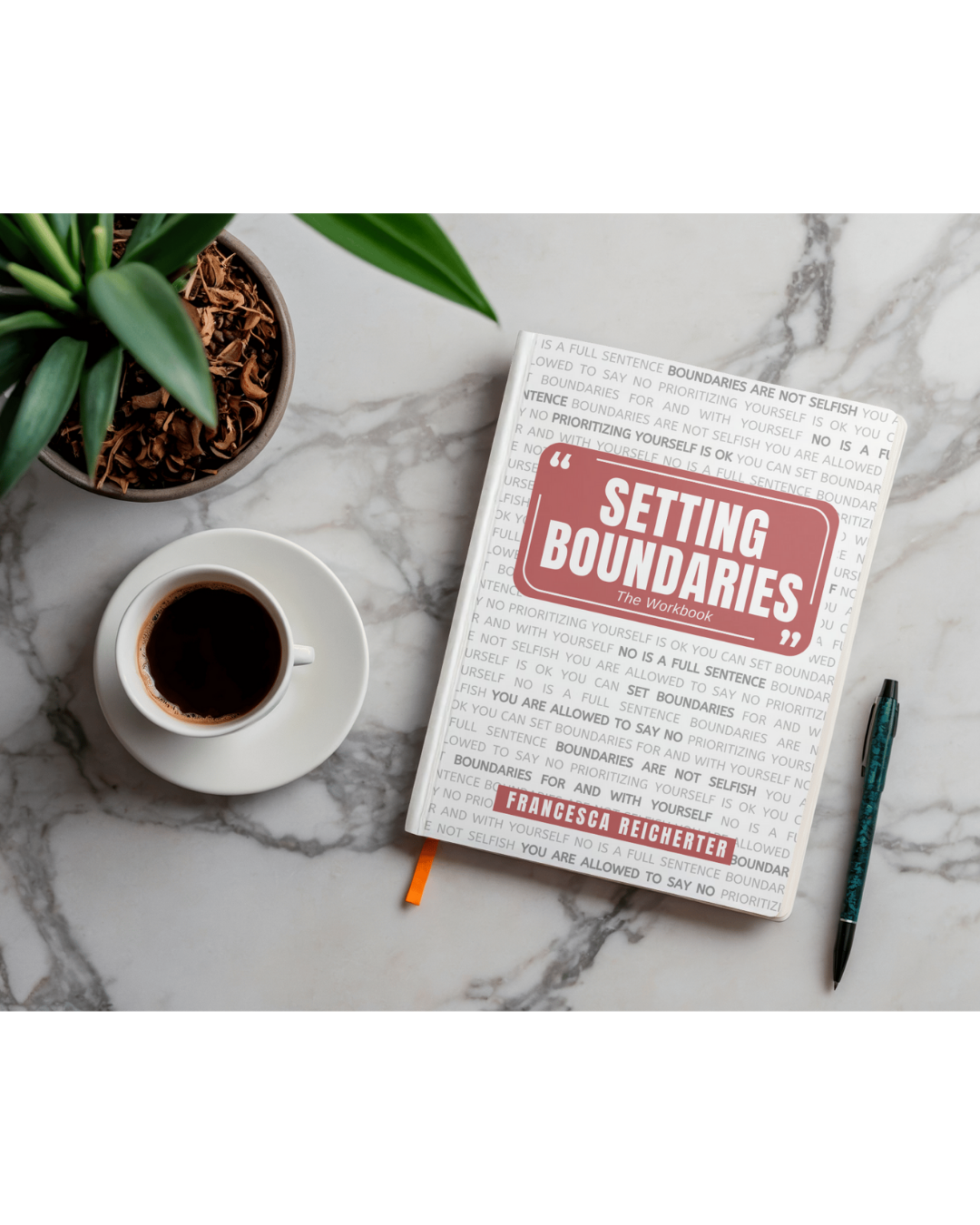 Image 4 of 4