
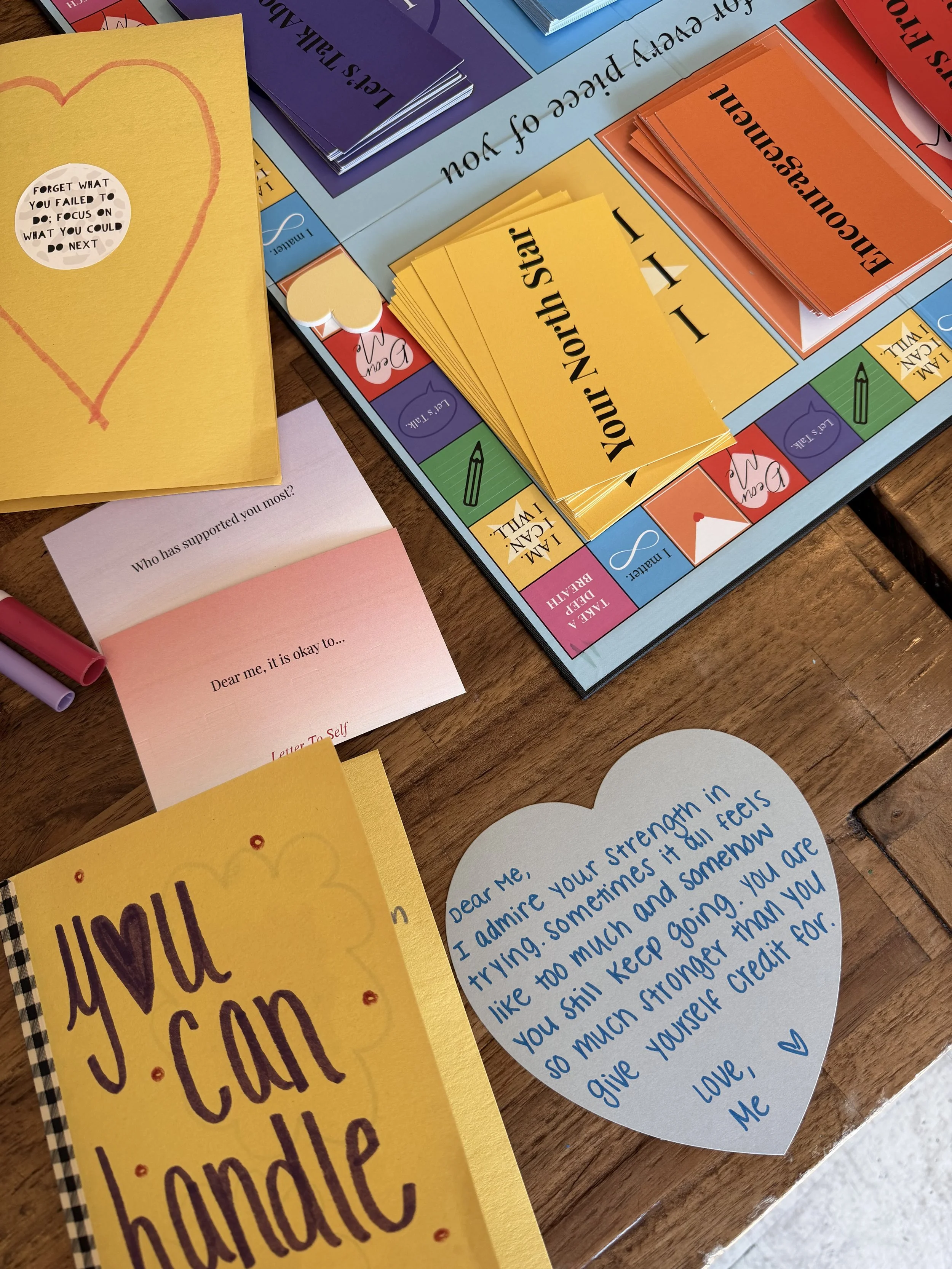
Every Piece of You Belongs at the Table
I grew up hiding the pieces of myself that were struggling. When I created Pieces of You, I wanted to give people the space I wish I had: a place where every piece of them is welcome, and where they can discover the messages they need to carry themselves forward.
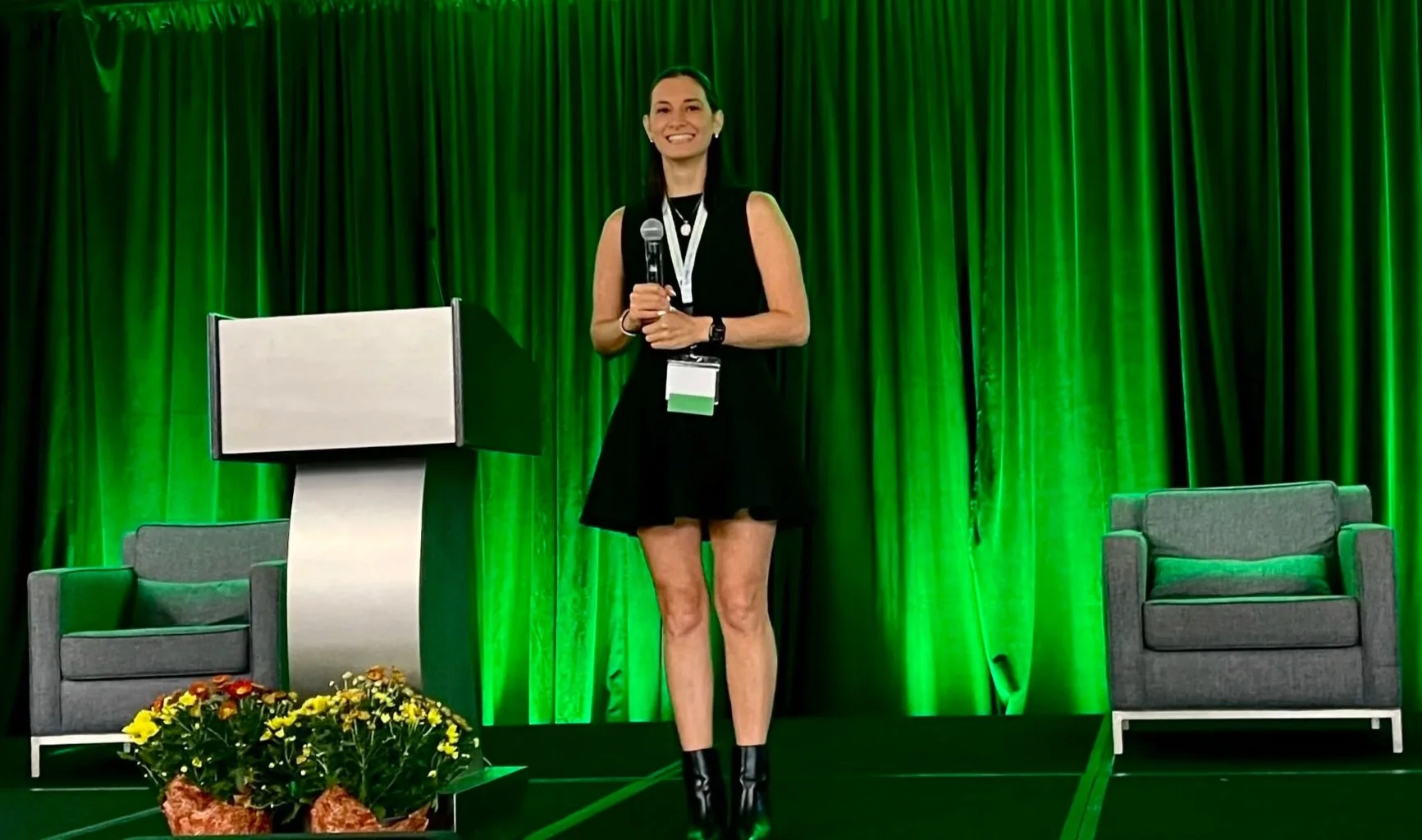
From Pain to Purpose: What Do We Do With the Light We’ve Been Given?
Sometimes life hurts, and we don’t need a silver lining—we need someone to say, “This is hard.” In this reflection, I share a conversation with adolescents in a psychiatric unit, the candle metaphor from my From Pain to Purpose keynote, and the question that continues to guide me: What will you do with what you’ve been through?
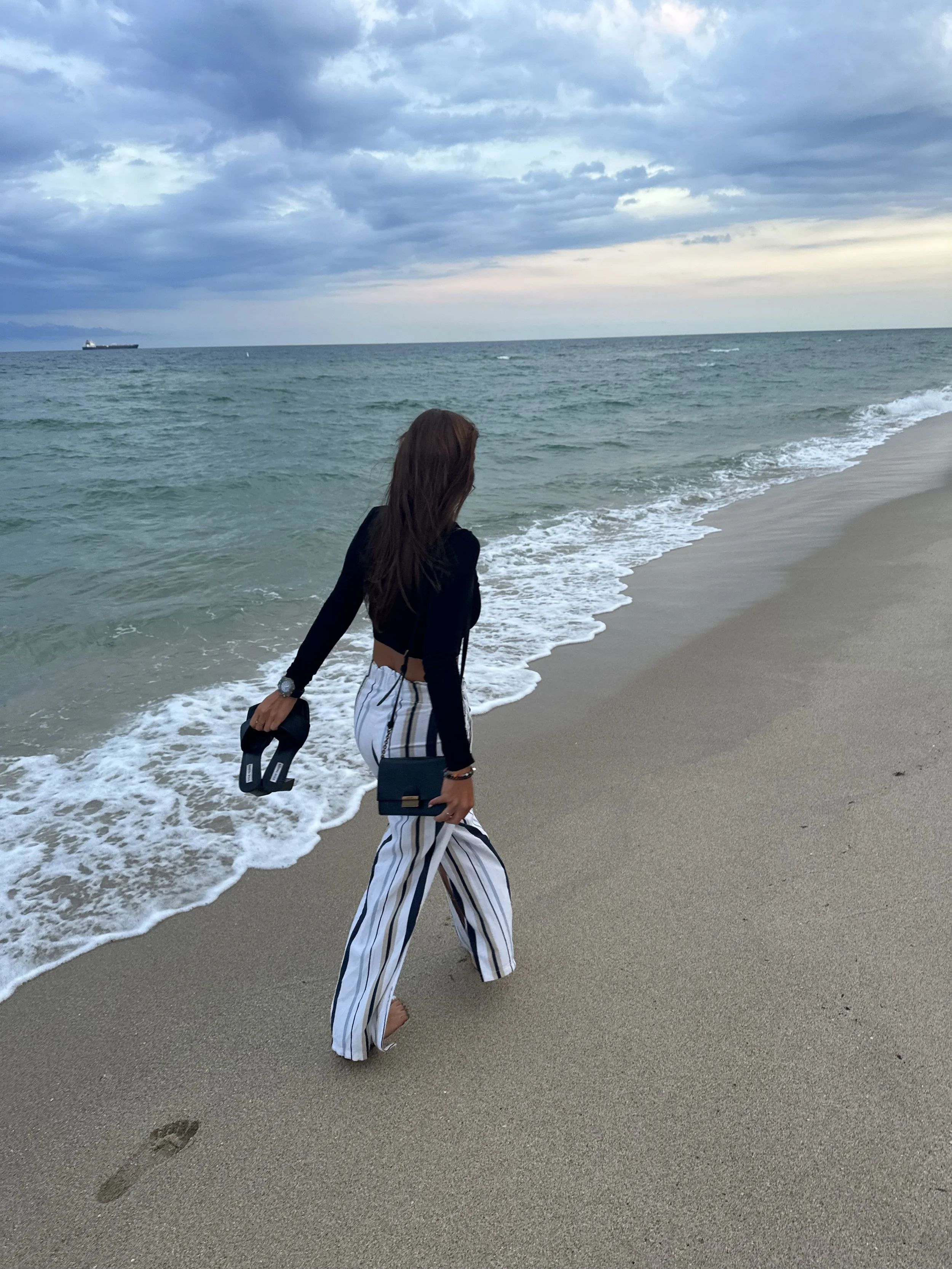
Five Signs You’ve Outgrown a Version of Yourself
Growth doesn’t always feel exciting. Sometimes it looks like setting boundaries, letting go, and choosing yourself in ways that feel uncomfortable. Here are five signs you may be outgrowing a version of yourself and making space for who you’re becoming.
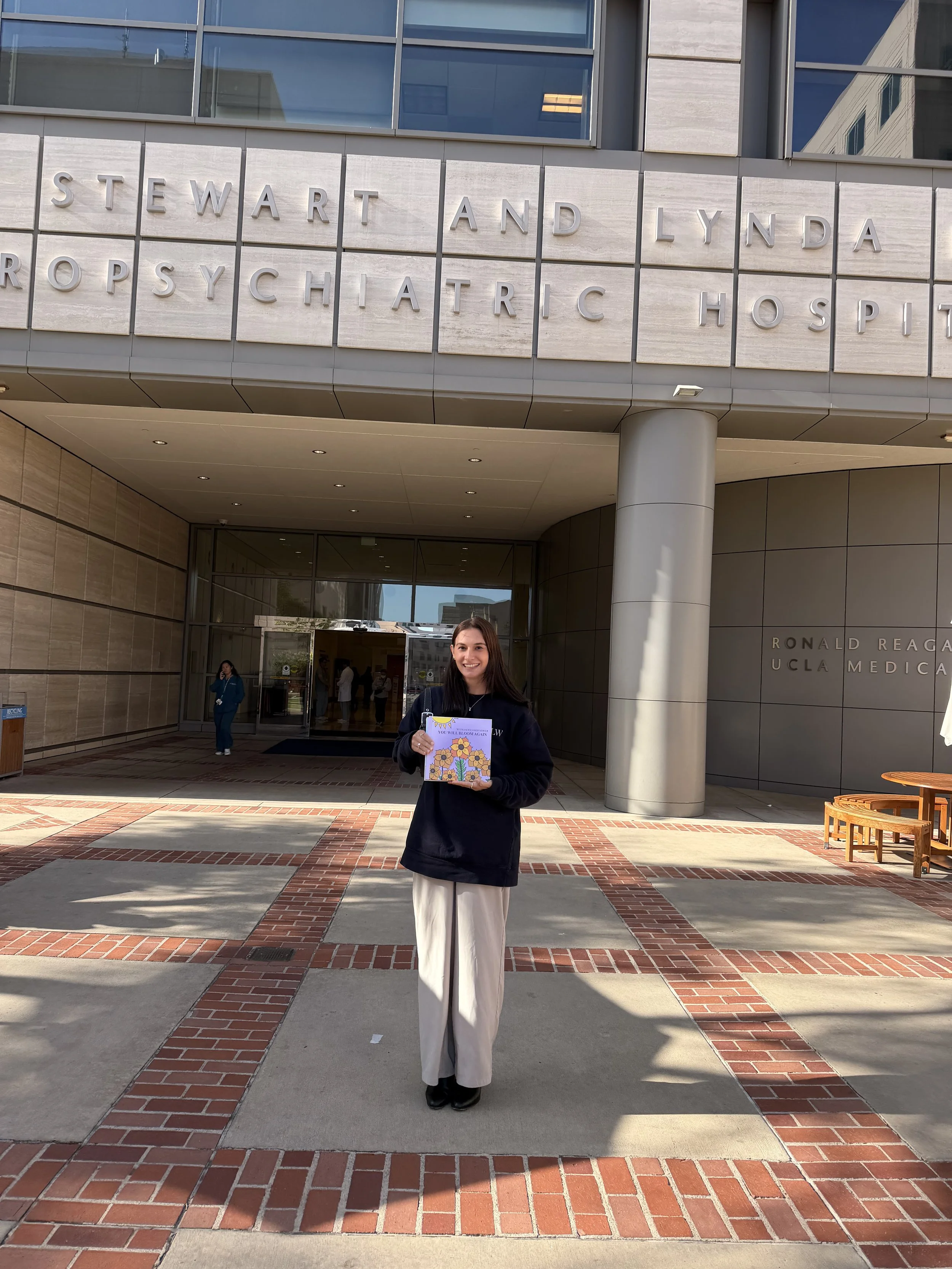
You Will Bloom Again: Why I Wrote This Book
A painful moment can feel permanent, especially for children. You Will Bloom Again is a story about hope, big emotions, and learning to believe that even after the darkest night, the light will return.
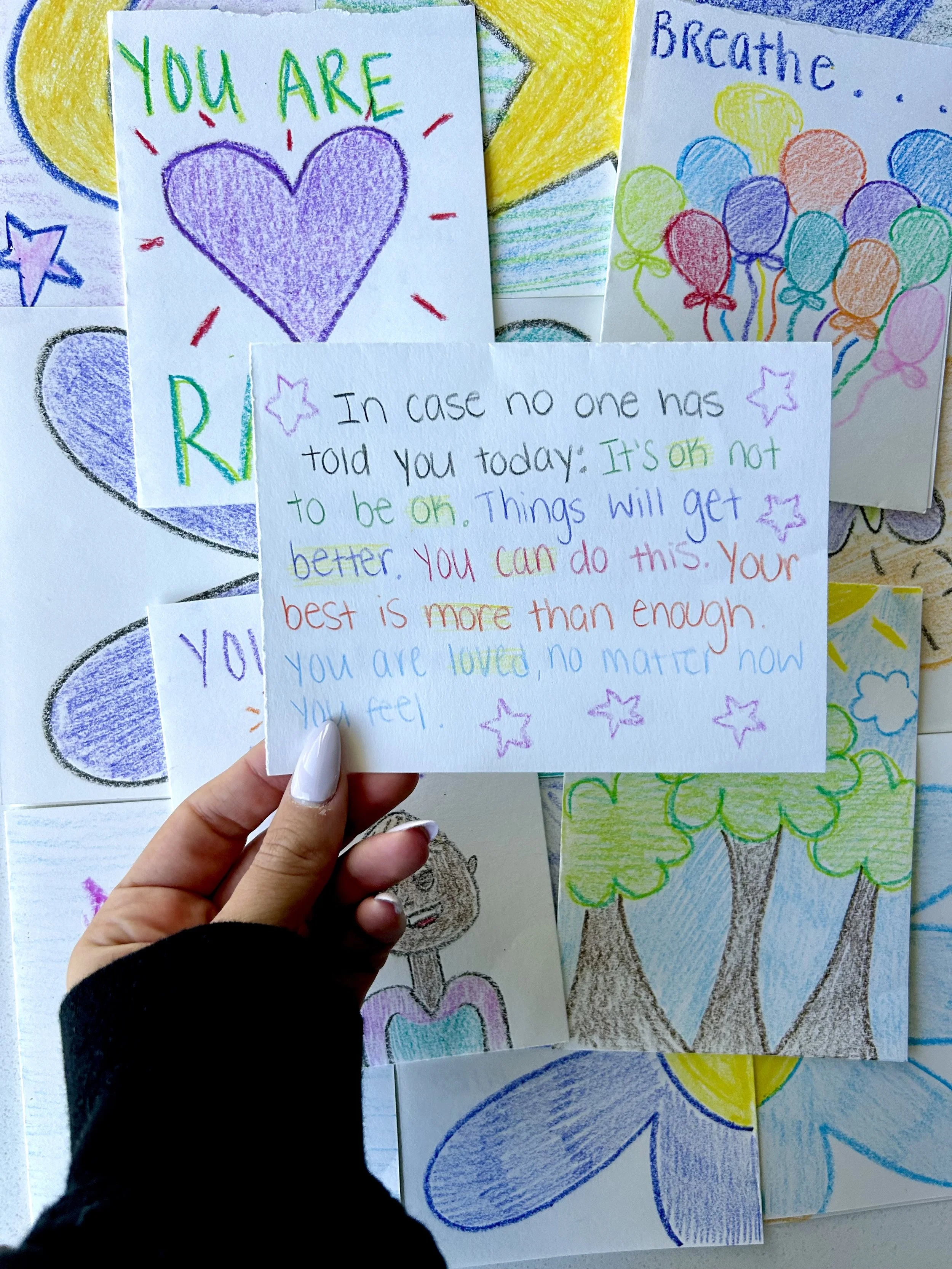
The Messages That Helped Me Keep Going (And Why I Started Sending Them to Others)
Sometimes the thing that helps us keep going is a simple reminder that we matter. What started as handwritten messages of hope I created for myself has grown into a movement reaching thousands of people in moments when they need it most. This is the story of how one card became a reminder that no one is alone.
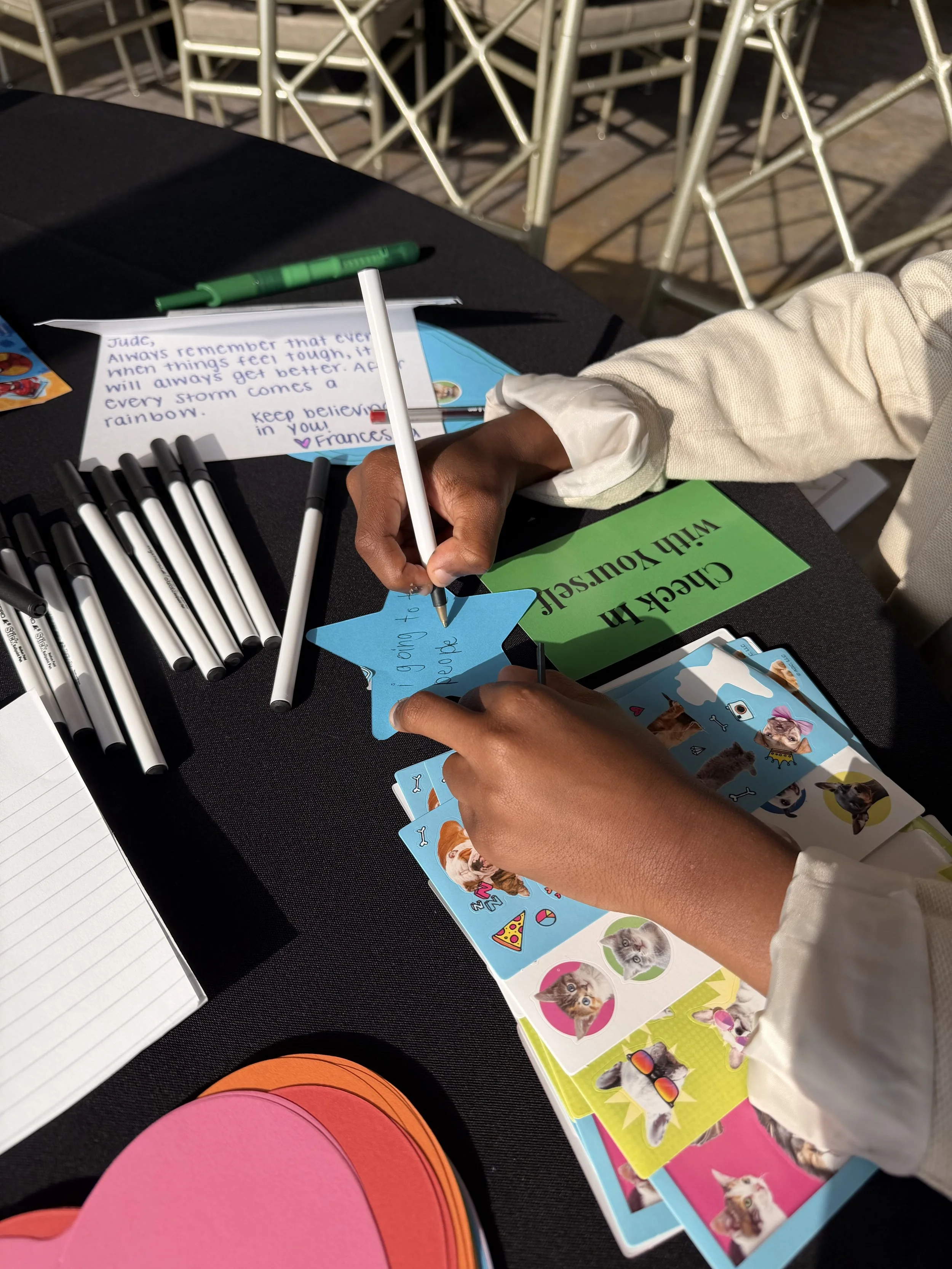
What happens after survival?
For a long time, I thought healing meant surviving one more moment. But eventually, healing asks a different question: What are you moving toward? This is a reflection on hope, finding your North Star, and creating a life that gives you something to look forward to.
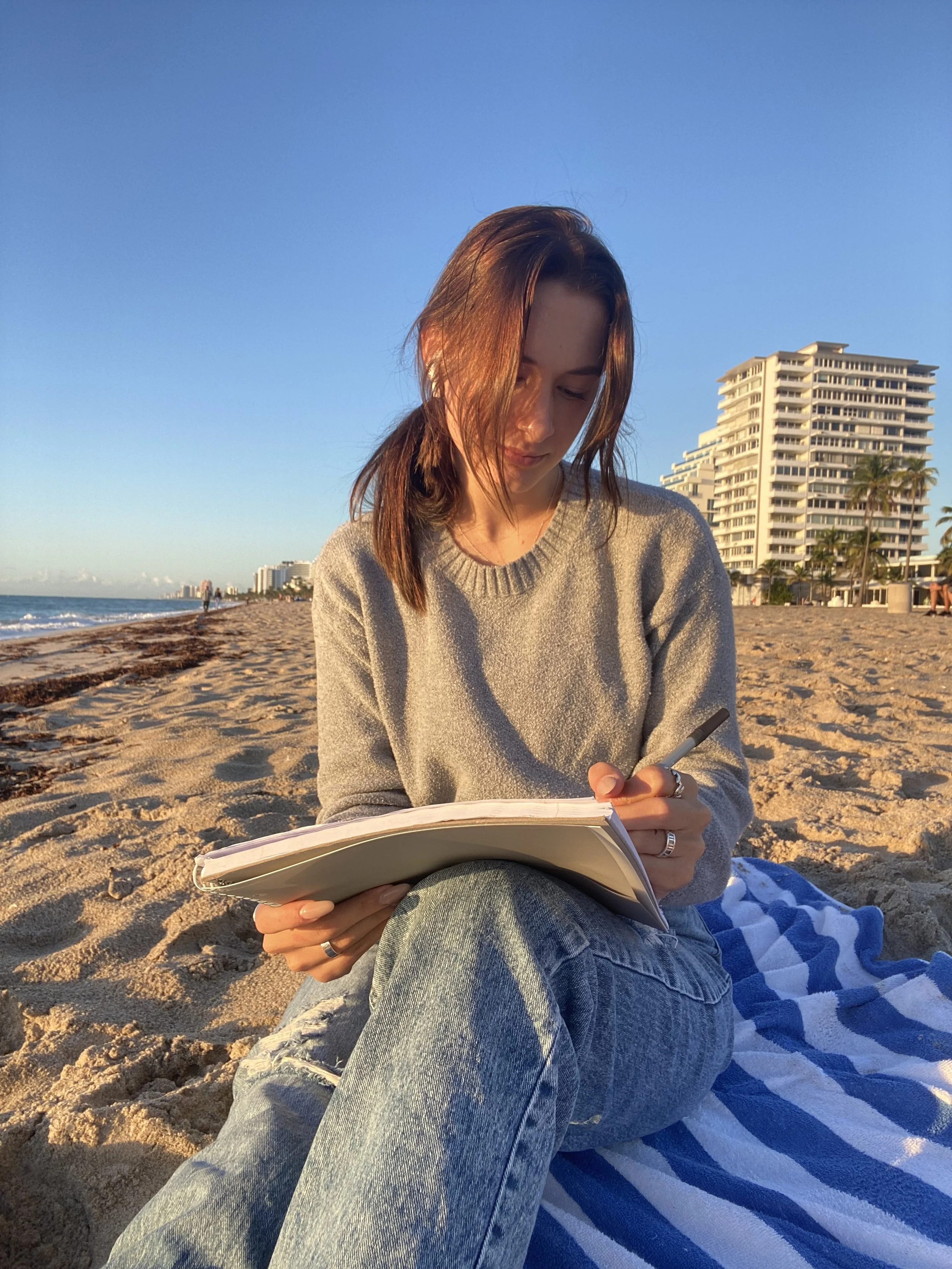
Your Thoughts Are Not Always Telling You the Truth
Our minds are powerful storytellers, but not every story they create is true. Learn how to recognize the difference between a thought and a fact, challenge the assumptions that keep you stuck, and build a healthier relationship with your inner voice.
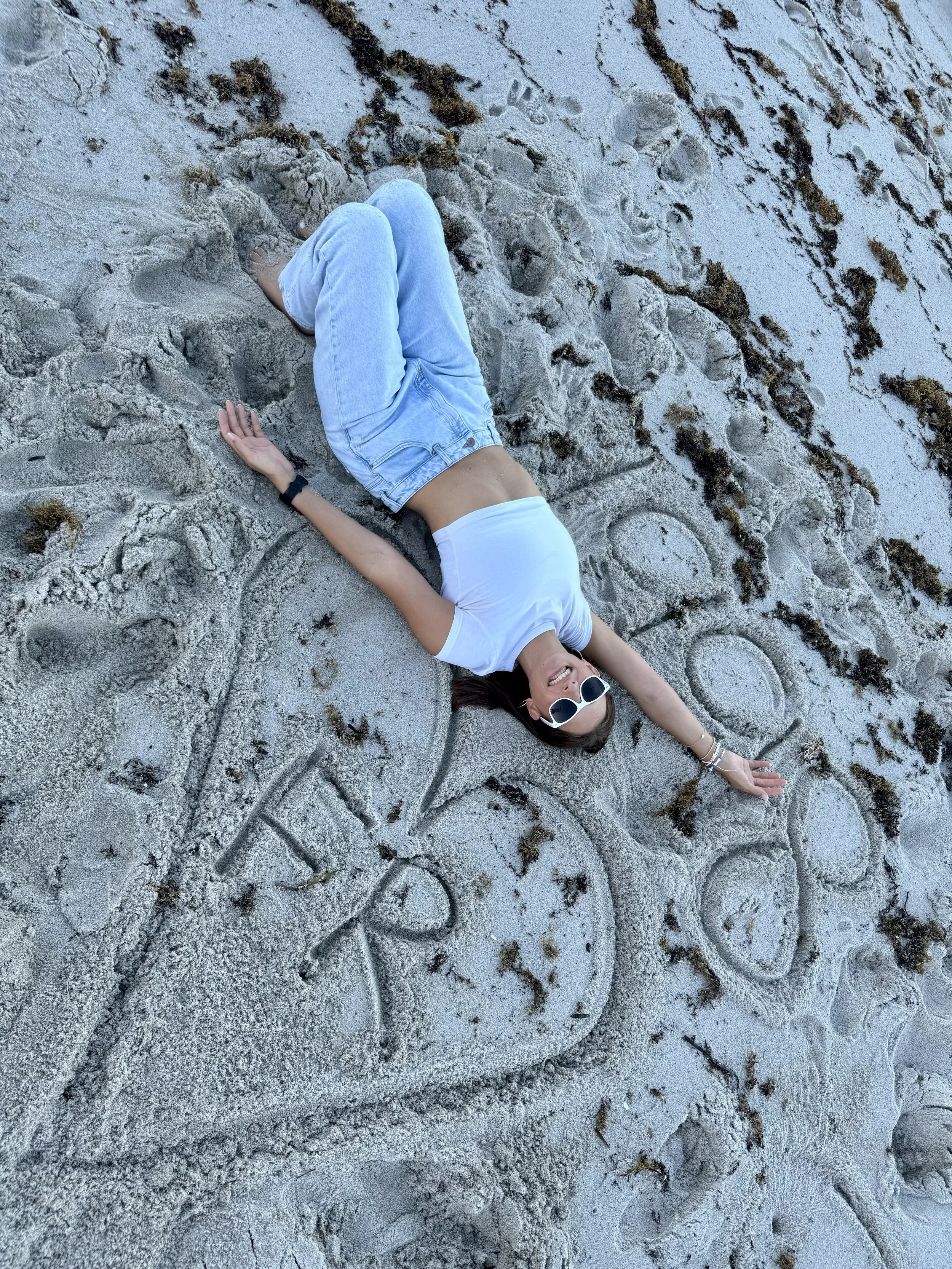
28 Things Life Has Taught Me by 28
Every birthday makes me pause. Not because I have everything figured out—I definitely don’t—but because each year leaves me with lessons I couldn’t have learned any other way. Some came through heartbreak. Some through healing. Some through incredible people. Others through moments I wish I could skip. If there’s one thing I’ve learned, it’s that life doesn’t hand us wisdom all at once. It gives it to us piece by piece.
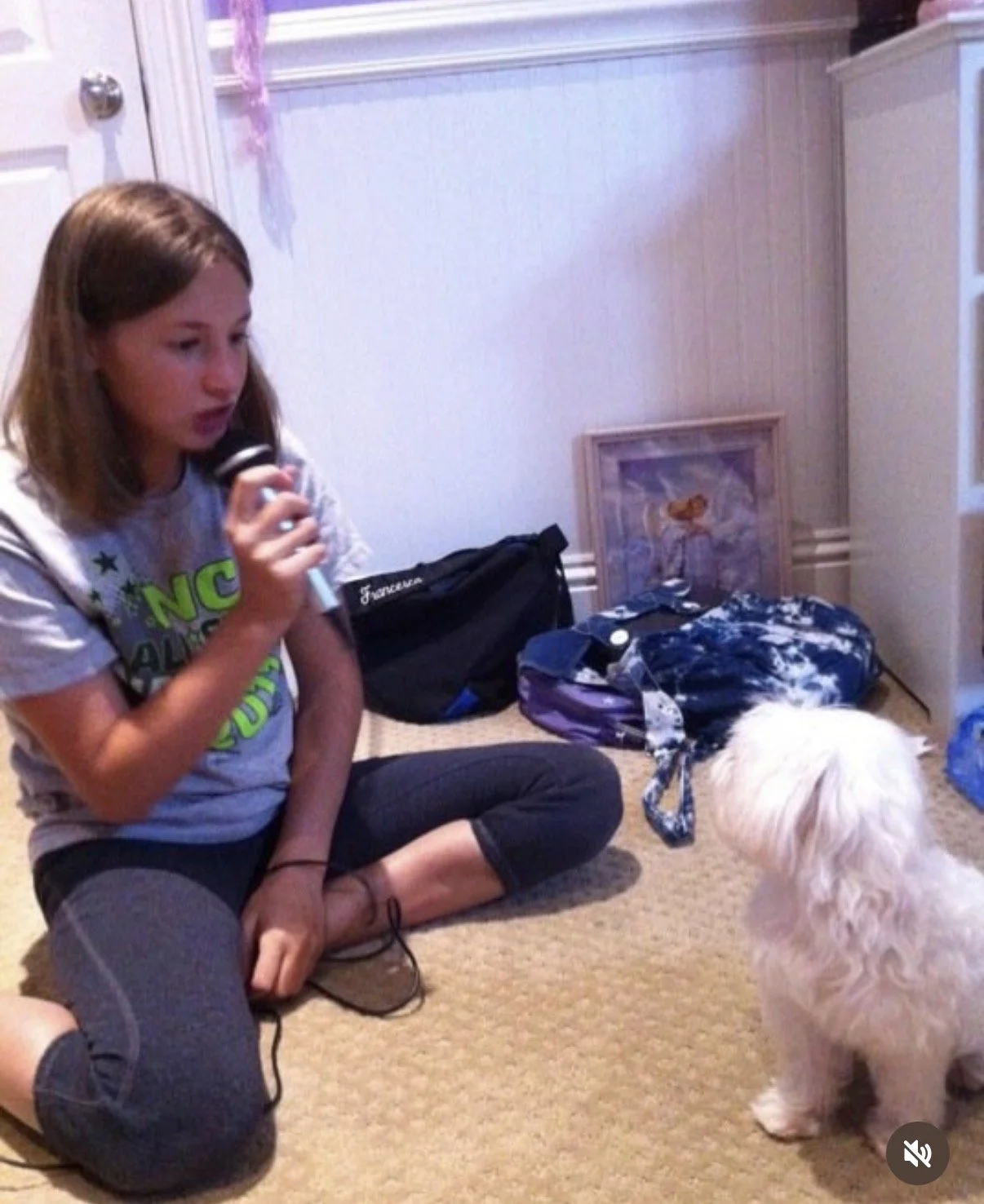
Before You Set Another Goal, Ask Yourself This
We’re constantly told to dream bigger, work harder, and chase the next milestone. Set another goal. Read another book. Build another habit. Accomplish more.
None of that is bad, I just think we’re asking ourselves the wrong question.
Instead of asking, “What’s my next goal?” I think we should start with, “Why does this matter to me?”
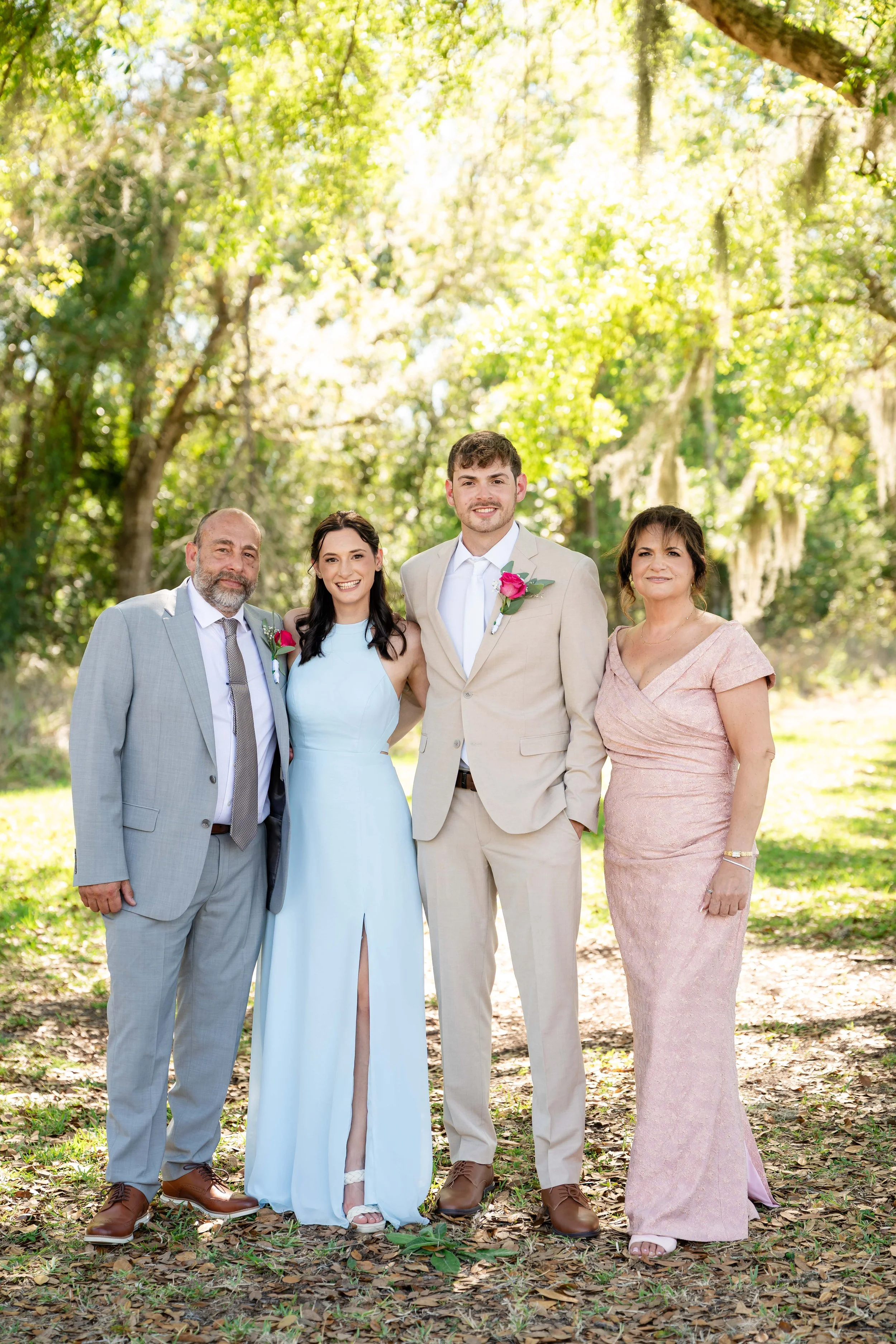
Pieces of You™: The Conversations We Don’t Know How to Start At Home
I could tell you my family’s favorite movies, favorite foods, and probably even everyone’s exact order at an Italian restaurant.
But I couldn’t have told you what legacy they hoped to leave behind, the words they needed to hear when they were struggling, or what they wished more people understood about them.
I don’t think that’s unique to my family. I think it’s true for so many of us.
In this week’s blog, I share the story behind Pieces of You™ and why I believe the conversations we avoid are often the ones we need most.